What Peggy Shu Taught Me About Cat Dental Health
What Peggy Shu Taught Me About Cat Dental Health
A personal case study for Cat Dental Health Awareness Month
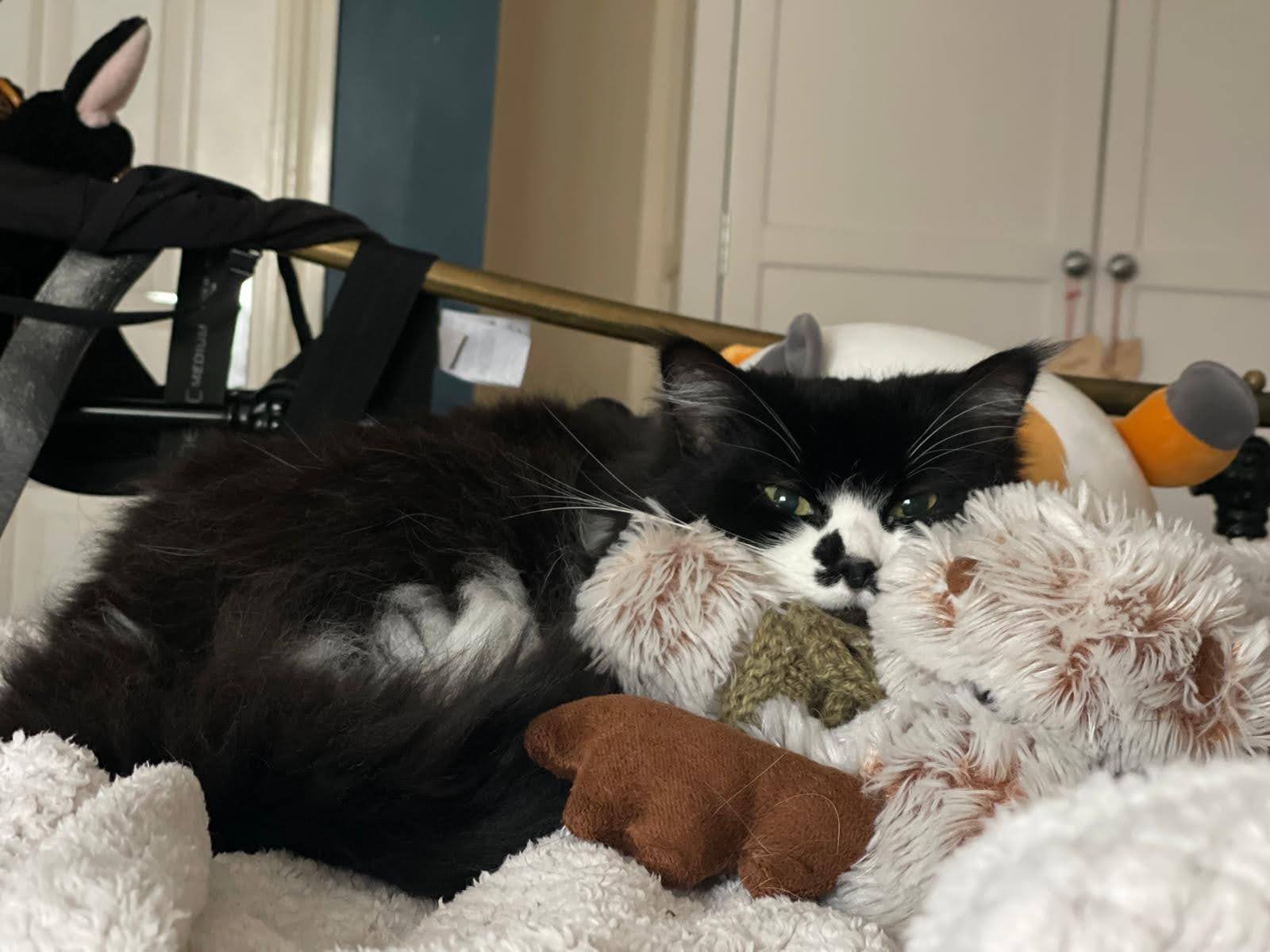
I adopted Peggy Shu during lockdown in 2020, at a time when my mental health was at its lowest. I had just lost my heart cat and emotional support companion, Major Tom, and the grief sent me into a spiral I wasn’t prepared for.
My sister was working with Cats Protection at the time, and Peggy was one of the cats in their care. She’d come from a hoarding situation. My sister had been bonding with her and suggested that Peggy might be exactly the companion I needed. She was right.
From the beginning, I knew Peggy’s health would require a little extra attention. Her paperwork noted that she was prone to gingivitis and had already had a professional dental cleaning. At the time, it felt manageable, just something to keep an eye on.
What I didn’t know was how much she would take over my life.
Peggy is bossy in the way only truly confident cats can be. She runs the house and keeps both me and my other cat, Rupert, firmly in line. She’s glamorous, and she knows it, a long-haired black-and-white cat with an impressive amount of fluff and a strong sense of self-importance. She adores being brushed, loves a good nap, and regularly carries her toys around the house yowling like she’s announcing a successful hunt. The first time she did it, in the middle of the night, I panicked. It turns out she was just… being Peggy.
She’s affectionate, talkative, and incredibly particular. She’ll clean Rupert’s ears but won’t let him return the favour. Caring for her has always been about balance, especially because, alongside her dental issues, she’s also prone to bladder infections. Every decision feels like a careful juggle between keeping her teeth healthy and protecting her urinary health.
When Managing Cat Dental Health at Home Wasn’t Enough
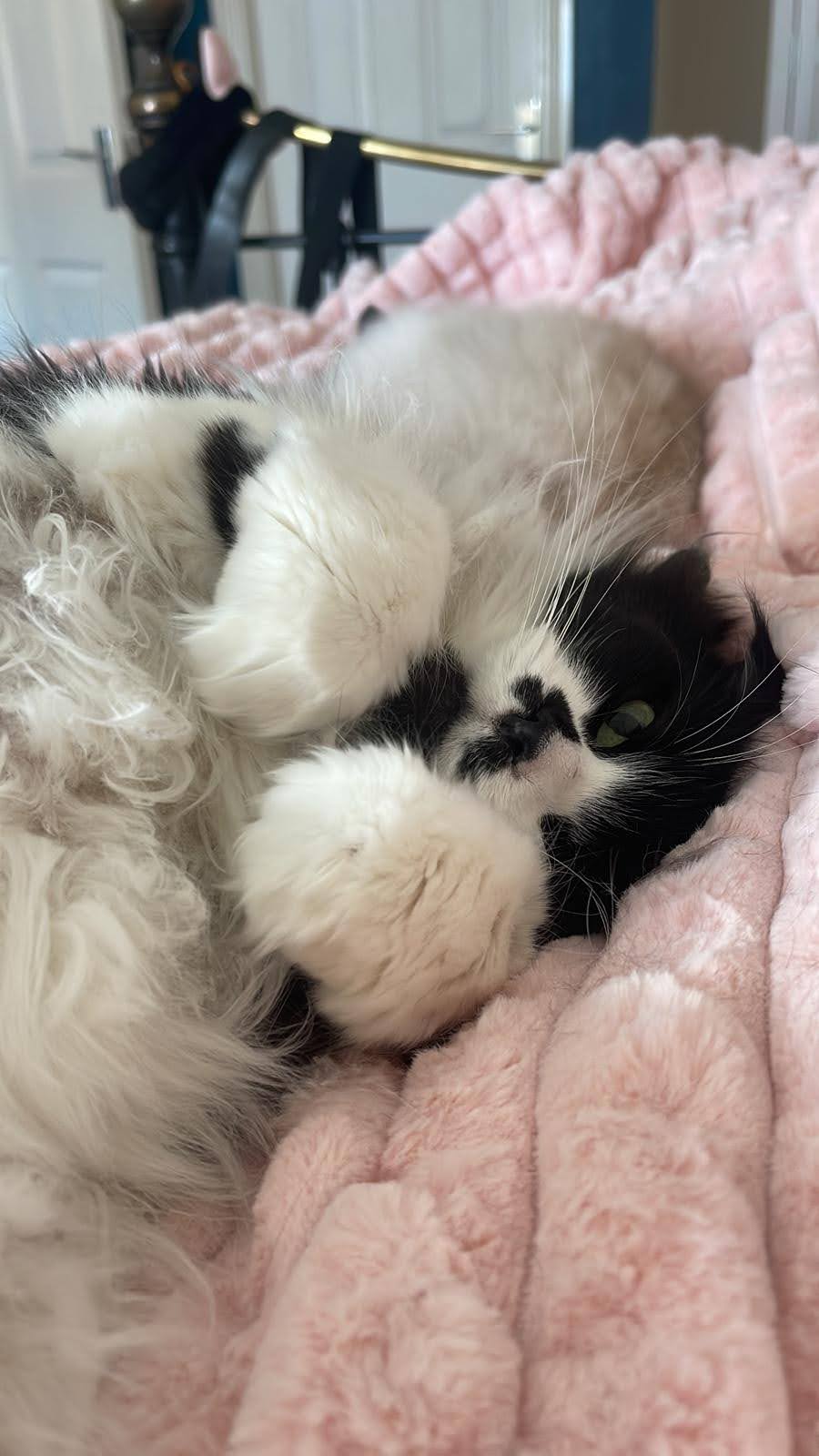
At first, I tried to manage Peggy’s dental health at home. I gave her silvervine and catnip sticks to chew on, dental treats, and even bought a finger toothbrush with cat-safe toothpaste. I was determined to prevent plaque buildup and avoid anything invasive for her.
The truth is, I was scared.
Losing Major Tom left me with a lot of trauma around illness and veterinary procedures. The idea of Peggy going under general anesthetic terrified me, so I put too much pressure on both of us to “fix” her dental health at home. Tooth brushing became stressful, and Peggy, never one to tolerate nonsense, made it clear she wasn’t on board.
I also fell for a very common myth: that dry food helps keep cats’ teeth clean. While it felt like a safe compromise, it ended up putting her bladder health at risk. Eventually, Peggy developed a bladder infection and needed to see the vet.
While she was there, her teeth were checked too. They told me she had inflamed gums and a cracked back tooth. It wasn’t an emergency, but it did need monitoring. At that point, her bladder health had to come first, so we focused on that and made a plan to return to her dental care later.
The Vet Visit I Was Terrified Of
When the time came to book her in for a dental procedure, I was a wreck. I dropped her off early in the morning and cried the entire time. Handing your cat over and walking away is a special kind of helplessness, especially when past loss is sitting heavy on your shoulders.
What made the difference was the veterinary team. The staff were kind, patient, and compassionate. They reassured me, kept me updated throughout the day, and treated both Peggy and me with care.
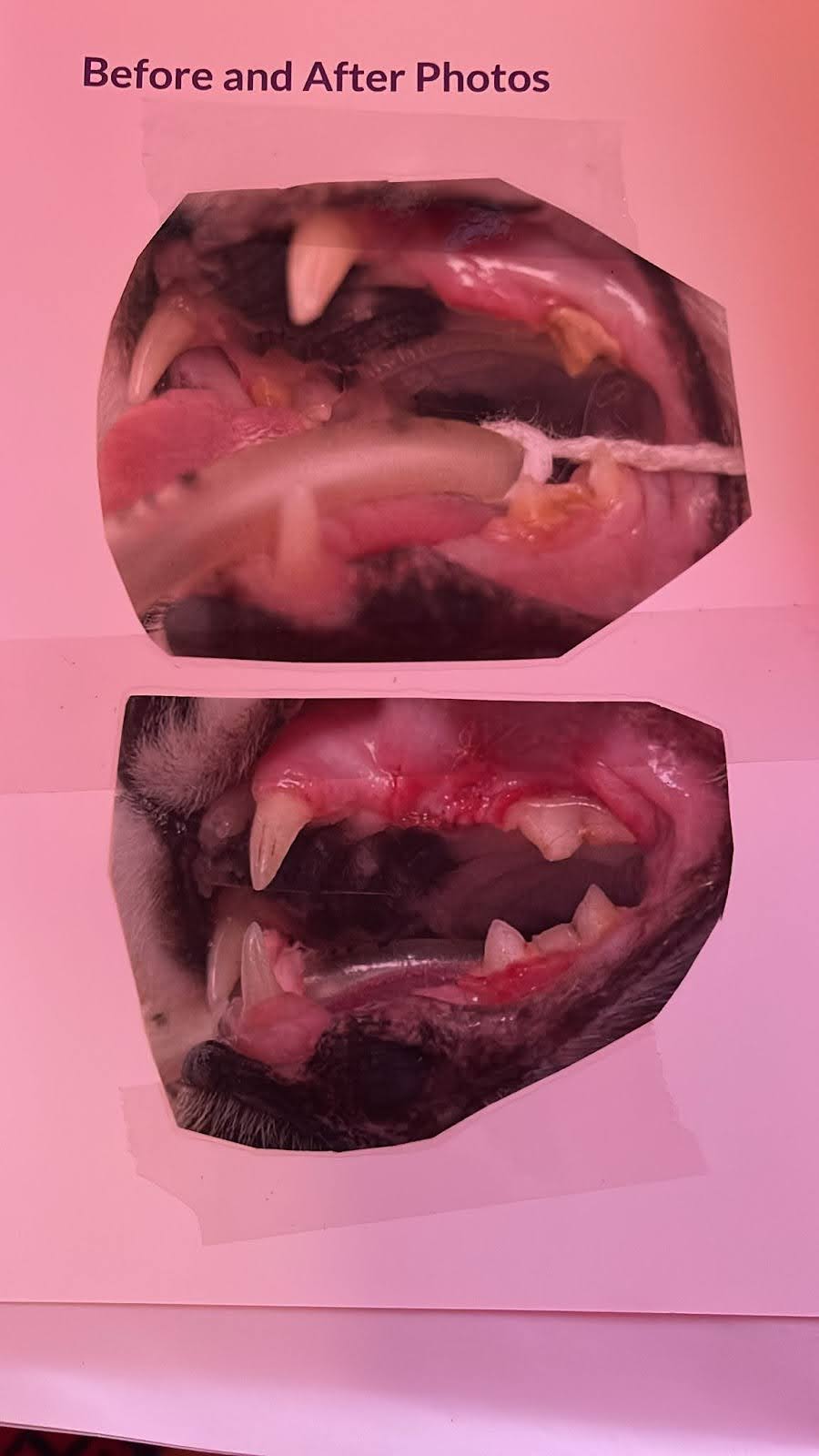
Later that afternoon, I got the call to pick her up. During the procedure, they found and removed a shard from the previously cracked tooth and cleaned her teeth thoroughly. Thankfully, she didn’t need any further extractions.
She came home with aftercare instructions and a Hollywood-white smile.
The change in her was immediate. She ate more comfortably, seemed brighter and happier, and her breath improved dramatically. It was clear she’d been living with discomfort longer than I’d realised.
What I Do Now (and What I’ve Learned)
Since then, I’ve taken a very different approach to Peggy’s dental care. I invested in a proper cat toothbrush and introduced it slowly, very slowly. She doesn’t love it, but she tolerates short sessions, and that’s enough.
We’ve also explored less invasive options, including dental toys designed to encourage chewing through play. We’re still early in that process, but finding tools that work with her personality has made a huge difference.
Peggy is now 11 years old and still has most of her teeth. She hasn’t had further dental issues since her procedure, and we have her teeth checked regularly. That didn’t happen because I did everything perfectly; it happened because I stayed engaged, adapted, and asked for help when I needed it.
A Message for Other Cat Parents
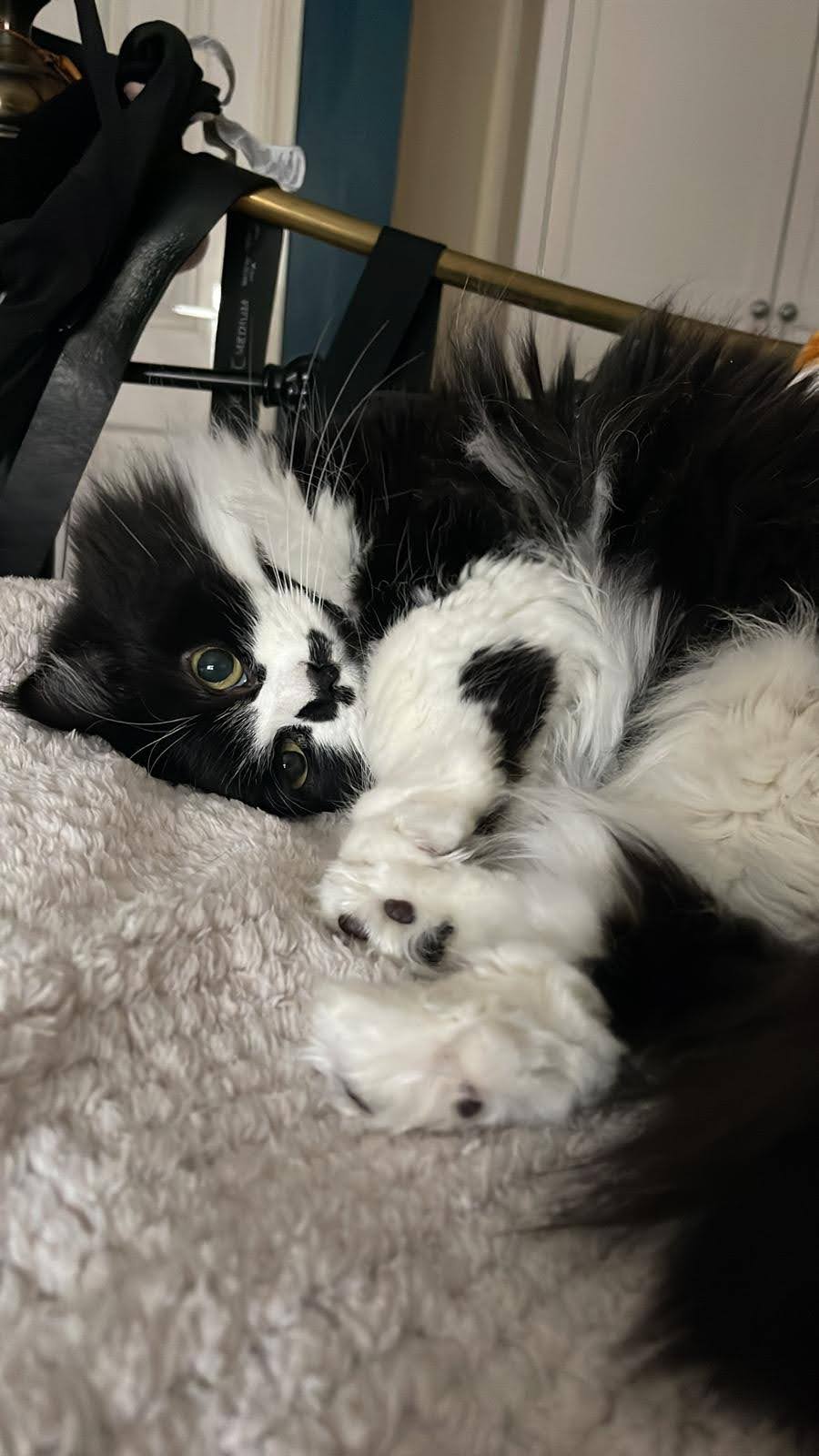
If there’s one thing Peggy has taught me about cat dental health, it’s this: work with your cat.
There is no single “right” way to care for a feline’s teeth. Some cats tolerate brushing, ok some don’t. Some need professional dental cleaning, and some need sedation to make that possible. None of that is a failure.
Dental disease is incredibly common in cats, especially as they age. Taking your cat to the vet for a dental cleaning isn't a sign you’ve done something wrong; it’s a sign you care.
Find a veterinary practice you trust. Take the pressure off yourself. Take the pressure off your cat. And remember: doing something consistently is always better than chasing perfection.
Sometimes, doing your best really is enough.
